Choosing Slip-Resistant Tile for Wet Bathroom Floors
Most people pick a floor tile by how it looks in a showroom and never test how it feels with wet feet. In a bathroom remodel in Riverside, CA, that choice gets expensive in the wrong way, and riverside bathroom remodeling the institute for human ecology treats traction as the first spec, not the last. Slip resistance is a property of the surface, the tile size and the grout together, and any one of them can undo the other two.
What gives a tile its grip
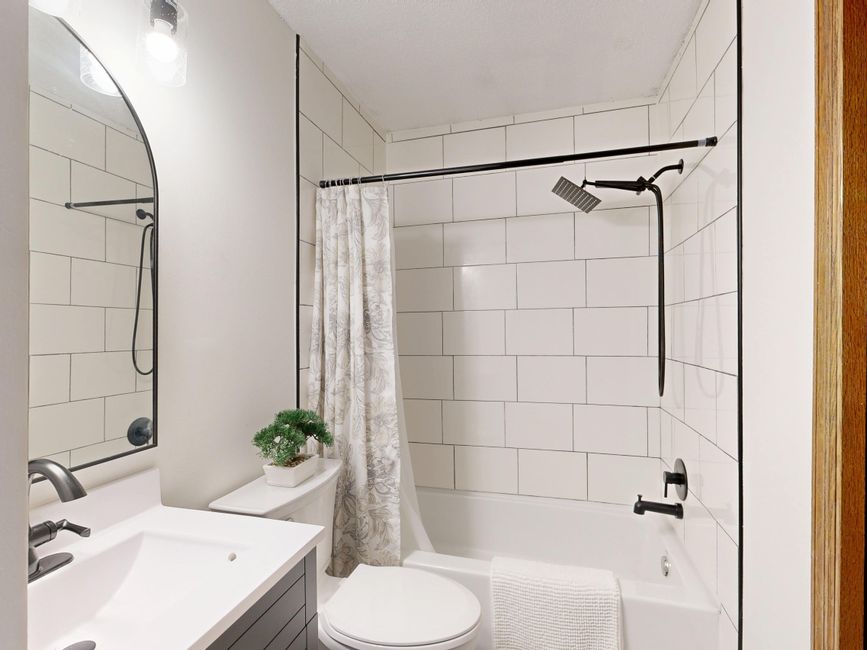
Traction comes from surface texture, and a polished porcelain tile has almost none when wet. A matte or structured finish gives a shoe or a bare foot something to catch. Tile makers publish a friction rating, and a wet-rated tile is the one to look for on a bathroom floor, especially in the shower. A plain subway tile belongs on the wall, where nobody stands on it, while the floor wants a tile made for it.
Small tile and grout lines
A mosaic on a shower floor is nothing more than many tiny tiles separated by many grout lines, and those lines are where the grip lives. A one-inch mosaic gives far more edge than a twelve-inch tile, which is why showers use it. The mosaic also follows the slope toward the drain without cutting, and a large tile has to be cut into pie shapes to do the same. On a dry bathroom floor outside the shower, a larger tile with a textured face is easier to clean.
What hard water does over the years
Riverside County water carries minerals, and they leave a film that builds up on tile and grout. On a textured surface that film slowly fills the texture, and a tile that gripped well at install can feel slick five years later. A squeegee after use, a vinegar rinse now and then and a sealer on the grout keep the film from taking hold. Cement-based grout stains and absorbs the film, while an epoxy grout stays smoother and sheds it more easily.
Underneath the tile
Slip resistance starts with a flat floor. A tile set over a subfloor that flexes will crack, and a cracked tile edge is a trip hazard of its own. Cement board or backer board on a solid subfloor, set with thinset and a notched trowel, gives full coverage with no hollow spots. Hollow spots under a tile sound different when tapped, and they are the first place a tile lets go.
Transitions and thresholds
Where the floor tile meets the hall, the edge should be flat or have a very gentle slope. A raised metal strip is a hazard for a person with a cane, and a tile edge with a sharp corner can catch a slipper. At the shower, a low curb or a curbless entry with a linear drain keeps the foot from lifting. Bathrooms in older Inland Empire houses are often tight, so every inch of flat surface counts.